Explore the Universe of Fair Trade Tea: Exceptional Brews That Advance Sustainable Practices
Fair Trade tea constitutes a smooth combination of superior standards and principles. Each cup presents a distinctive taste profile while advancing environmentally responsible agricultural methods. This tactic not only enriches the tea satisfaction but also empowers marginalized farmers. Exploring its origins and authentication procedures exposes deeper dimensions of importance. As consumers become more mindful of their selections, the effect of Fair Trade tea transcends taste. What dwells beneath the veneer of these preferences?
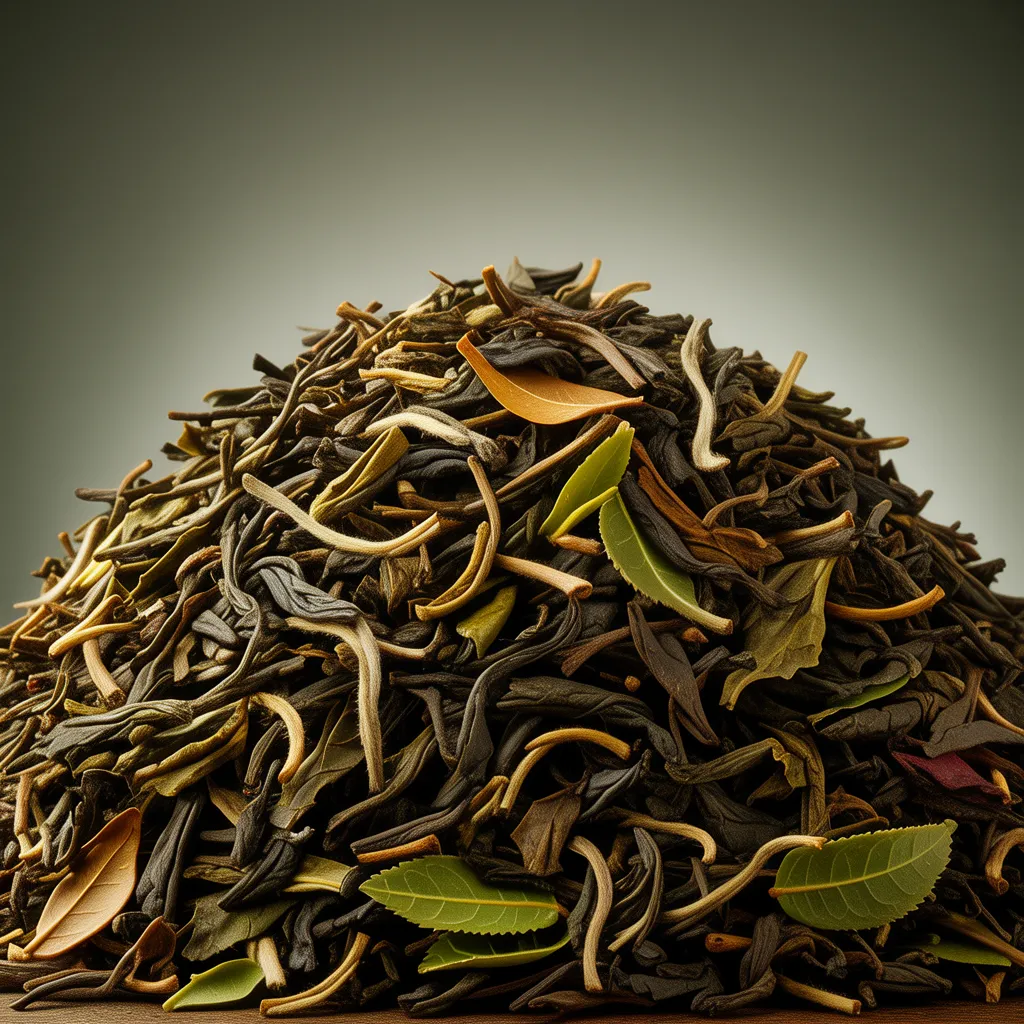
Learn the Sources of Fair Trade Tea
Fair Trade tea originates from the social and economic campaigns designed to improve the livelihoods of excluded farmers. Commencing in the latter part of the 1900s, this endeavor worked to resolve unfairness in global trade, particularly in less developed nations where tea is commonly produced. The effort picked up steam as consumers became ever more aware of the difficult circumstances experienced by small-scale farmers, such as unfair pricing and mistreatment by large corporations.
By utilizing collaborative frameworks, Fair Trade sought to strengthen these farmers, guaranteeing they received fair compensation and assistance for sustainable farming practices. The movement also focused on advancing environmental responsibility, encouraging organic farming and biodiversity. As awareness grew, Fair Trade tea turned into a representation of responsible purchasing, connecting consumers directly with the origins of their beverages. By selecting Fair Trade tea, individuals add to a larger vision of social justice and economic equity, fostering a more sustainable future for tea-growing communities.
Grasp the basics of Fair Trade Certification for environmentally conscious methods
Grasping Fair Trade certification is critical to recognizing how sustainable practices are sustained within the tea industry. This certification promises that producers receive fair helpful guide wages and work under safe conditions, which directly helps community development. Fair Trade standards support environmentally sustainable farming methods, reducing the use of harmful chemicals and encouraging biodiversity.
Certification fosters clarity in the distribution network, permitting consumers to track their tea back to its origin. By following these guidelines, farms engage in methods that protect environmental assets and sustain local environments. Additionally, Fair Trade organizations often deliver learning materials and instruction to farmers, empowering them to improve their farming techniques and economic stability.
Ultimately, Fair Trade certification not only boosts tea's excellence but also aligns consumer decisions to principled and responsible ideals, making it a key aspect of the tea industry's dedication to social accountability and environmental care.
Investigate Leading Selection of Fair Trade Tea
While many tea lovers enjoy the rich flavors and aromas of various brews, investigating the top varieties of Fair Trade tea demonstrates a greater commitment to responsible practices and environmental care. Some well-liked options feature Fair Trade Assam, known for its bold, malty taste, and Fair Trade Darjeeling, often referred to as the "Champagne of teas" for its subtle flower-like characteristics. Another notable variety is Fair Trade Earl Grey, infused with bergamot, providing a unique citrus twist.
In addition, Fair Trade Green Tea, recognized for its stimulating qualities and health benefits, is increasingly preferred among health-conscious consumers. Herbal blends, such as Fair Trade Chamomile and Peppermint, also stand out, offering soothing and calming effects. Each of these varieties not only provides exceptional flavor but also supports farmers and communities working for better livelihoods, making them a responsible choice for tea lovers seeking quality and ethical assurance.
Brewing Fair Trade Tea: Guidelines for a Perfect Cup
To craft the perfect cup of Fair Trade tea, precision is crucial, since the correct techniques can improve the tea's distinctive aromas and scents. Initially, water quality is of utmost importance; using spring water provides a fresh flavor that lets the tea's traits come through. The water temperature is also essential; various tea kinds require precise temperatures; black tea requires boiling water and green or herbal teas are brewed cooler.
Subsequently, the brewing duration must be strictly observed. Excessive steeping can result in a bitter taste, while understeeping may not extract the complete flavor spectrum. A general guideline is 3-5 minutes for black tea and 2-3 minutes for green tea.
Finally, utilizing the proper tea-to-water ratio enhances the taste; one teaspoon of loose tea per cup is a solid foundation. By following these tips, tea lovers can completely enjoy the rich offerings of Fair Trade tea.
Ecological Advantages of Ethical Tea
Brewing Fair Trade tea not only enhances the tea experience but also supports sustainable agricultural practices that advantage the environment. Fair Trade accreditation encourages farmers to use organic farming methods, which minimize the dependence on damaging chemicals and synthetic inputs. This approach promotes biodiversity, helping to preserve local habitats and protect animal sanctuaries.
Additionally, Fair Trade practices often prioritize soil health and water preservation, ensuring that tea cultivation does not exhaust essential resources. By supporting small-scale farmers, Fair Trade also promotes agroforestry, which combines tea cultivation with other crops and trees, further strengthening environmental resilience.
In addition, Fair Trade tea frequently incorporates environmentally responsible wrapping and transportation methods, minimizing the carbon footprint associated with its distribution. All in all, choosing Fair Trade tea demonstrates a conscious effort to promote a more sustainable farming approach that honors both the planet and its people.

Your Tea Preference Supports Empower Global Populations
Selecting Fair Trade tea strengthens worldwide societies by providing farmers with equitable compensation and better working conditions. This commitment ensures that tea growers can sustain their livelihoods while putting money in their loved ones and local economies. By buying Fair Trade tea, shoppers add to the development of vital local services, such as schooling and medical services.
Fair Trade accreditation encourages responsible conduct, requiring businesses to adhere to standards that emphasize employee protections and ecological responsibility. As a result, growers are motivated to cultivate high-quality tea, which not only improves their income but also creates pride in their work.
Moreover, the direct trade associations set up through Fair Trade abolish oppressive middlemen, allowing farmers to link with patrons worldwide. This transparency cultivates trust and encourages a global esteem for the cultural significance of tea. Ultimately, each cup of Fair Trade tea represents a wake-up call of the positive impact individuals can have on world societies through mindful consumption.
Frequently Common Questions
Where Can I Locate Fair Trade Tea Products and How Do I Confirm Them in Retail Locations?
To locate fair trade tea products in stores, one should look for verified badges, such as Fair Trade Certified or Rainforest Alliance. Additionally, researching companies focused on ethical sourcing can help with making informed choices.
Do Fair Trade Tea Products Offer Any Nutritional Advantages?
Fair trade tea may supply diverse health perks, featuring antioxidants that support heart health, improved digestive health, and enhanced cognitive focus. In addition, sustainable sourcing practices facilitate sustainable farming, helping advance a healthier ecosystem and improved societal well-being.
How Can I Discover Ethically Sourced Tea in Online Marketplaces?
Yes, fair trade tea is easy to find in online marketplaces. Numerous retailers stock a diverse range of brands and blends, ensuring buyers can easily access ethically sourced options that support both sustainability and equitable compensation.
How Does Fair Trade Tea Shape Community Economies?
Fair trade tea positively impacts local economies by providing farmers with fair wages, supporting community growth, and promoting environmentally responsible agriculture. This support improves living standards, promotes economic stability, and empowers communities to invest in education and healthcare.
What's the Best Way to Maintain Fair Trade Tea for Superior Freshness?
To boost quality, fair trade tea should be stored in a airtight container, protected from moisture, light, and pungent smells. Storing it in a cool, dark place helps maintain its taste and scent over time.